

Share this
by Gus Plamann on 02/Mar/26
Ag retailers play a critical role in helping growers manage increasingly complex farming systems. Across regions and crops, retailers support agronomic decision making, product selection, and long term soil health strategies.
For many years, soil testing has been a key part of this process. While traditional soil tests remain valuable, they often leave retailers with an important question: how do we turn soil data into consistent, actionable guidance across many fields and customers?
This is where a new standard, Soil Intelligence, could make all the difference.
Soil intelligence transcends simple nutrient reports. It dives into the subterranean world, integrating soil biology, artificial intelligence, and machine learning to decipher the very engine of the farming system. It does not just tell you what nutrients are present; it illuminates how the soil system is performing and, critically, how it will react to the management decisions your team recommends.
For the industry's most comprehensive solution, Ag Retailers are turning to BeCrop Technology from Biome Makers, which offers a level of insight into the living soil system that has not been seen before.
The Role of Soil Testing in Modern Ag Retail
Soil testing has long provided indispensable insight into nutrient levels and soil chemistry. These results are necessary; they help retailers and growers understand baseline fertility and inform immediate input decisions. This foundational testing is not going away, it is a vital piece of the puzzle.
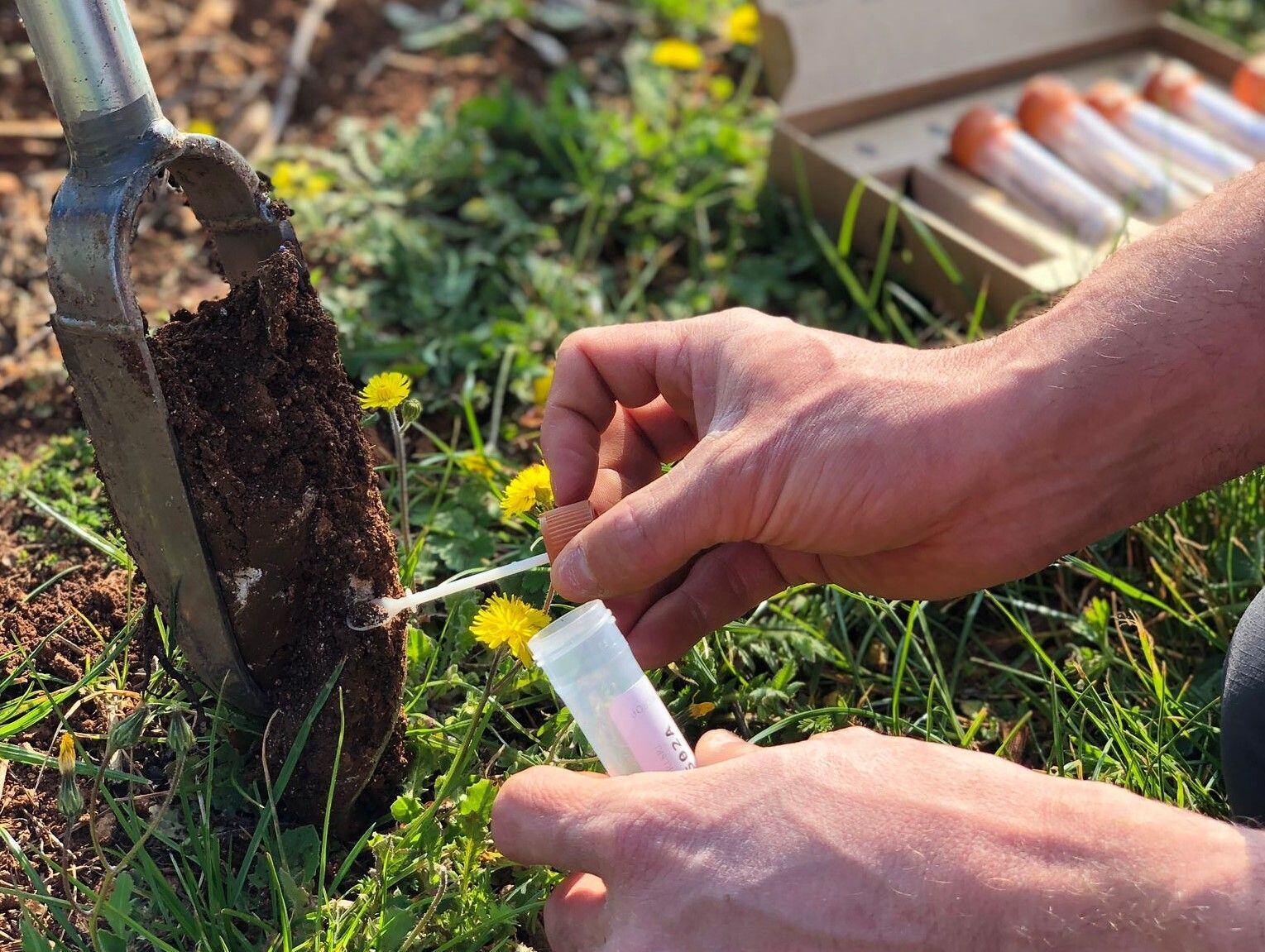
However, as retail operations scale, fertility testing alone may not capture the full complexity of soil function:
- Results represent a single moment in time
- Data can be difficult to compare across large field areas or territories
- Nutrient values do not account for biological function
- Recommendations can vary by agronomist or region
As a result, retailers are often left translating static soil test results manually, which consumes valuable time and can lead to inconsistency and missed opportunities at scale.
Moving From Soil Data to Soil Intelligence
The shift to Soil Intelligence is where the conversation changes from reporting what is in the soil to understanding what the soil is doing.
BeCrop Technology is the practical engine that drives Soil Intelligence. By building upon the chemical foundation with crucial biological context, it transforms the conversation from reporting what is in the soil to understanding what the soil is doing for the entire farming system.
This elevated approach allows retailers utilizing this technology to:
- Interpret complex biological data more consistently.
- Compare insights across crops, fields, and regions in a standardized framework.
- Anticipate risks such as disease pressure proactively.
- Support more informed, field specific agronomic recommendations.
This approach transforms soil data from a static report into a dynamic, integrated decision support tool.
Why Soil Intelligence Matters at Retail Scale
Ag retailers manage diverse farming systems that rarely follow a one size fits all model. Crop rotations, regional variability, and differing management practices all add layers of complexity.
Soil intelligence helps retailers manage this complexity by standardizing how biological information is analyzed and applied. This creates a common framework for agronomic decision making across teams and territories.
With soil intelligence, insights move beyond individual fields and contribute to a broader understanding of trends and patterns across a retail network.
Consistent Agronomic Guidance
By using AI driven interpretation, retailers can reduce variability in recommendations and provide more consistent guidance to growers across regions.
Support for Multi-Crop Systems
Retail agronomy often involves multiple crops within the same operation. Soil intelligence enables side by side evaluation of different crops and rotations, reflecting real world farming conditions.
Clearer Decision Support
Bringing agronomic insights, product considerations, and sustainability indicators into a single view helps retailers move more efficiently from analysis to action.
Improved Risk Awareness
High resolution disease risk insights help retailers identify areas that may require closer monitoring, supporting more targeted scouting and management strategies.
Context for Sustainability Conversations
Soil intelligence provides biological context that can support sustainability discussions and improvements in agricultural productivity without adding complexity to the retail workflow.
An Example of Soil Intelligence in a Retail Setting
To better understand how soil intelligence can support ag retail operations, consider the following example:
A regional agricultural retailer works with a network of growers managing corn and soybean rotations across multiple counties. The retail agronomy team supports dozens of fields with varying soil types, management histories, and disease pressures.
In previous seasons, the team relied primarily on traditional soil tests and historical field performance to guide recommendations. While this approach provided baseline fertility insights, it was difficult to explain why certain fields consistently underperformed or why disease pressure varied significantly across nearby fields.
By incorporating soil intelligence into their agronomy workflow, the retailer was able to add biological context to their existing soil data. This accounted for a wider range of factors that influence crop productivity and farm profitability than conventional soil testing alone.
Using soil biology insights interpreted through AI driven models, the agronomy team identified differences in nutrient cycling activity and disease risk levels across fields that previously appeared similar based on chemistry alone. Some fields showed reduced biological activity related to nutrient mobilization, while others presented higher localized disease risk despite comparable management practices.
With this information, the retailer adjusted their approach. Rather than applying uniform recommendations across all fields, agronomists tailored product placement and management strategies based on each field’s biological profile. Disease scouting efforts were prioritized in higher risk areas, and input recommendations were refined to better align with soil function and crop needs.
As a result, the retail team gained greater confidence in their recommendations and clearer explanations to share with growers. Conversations shifted from reacting to problems late in the season to proactively managing risk and variability across the operation.
This type of example illustrates how soil intelligence helps retailers move from interpreting individual soil reports to supporting consistent, scalable decision making across their customer network.
The Importance of AI in Soil Intelligence
Interpreting soil biology at scale would not be possible without artificial intelligence.
Machine learning models analyze large volumes of biological and environmental data to identify patterns, assess risk, and continuously improve recommendations. As more data is collected, these systems become more refined, helping retailers adapt to changing conditions over time.
This allows ag retailers to move toward more predictive and data informed agronomy while maintaining efficiency.
Strengthening the Retailer-Grower Relationship
As growers face increasing pressure to manage risk, control costs, and demonstrate sustainability, they look to retailers for guidance they can trust.
Soil intelligence supports these conversations by providing science based insights that are easier to explain and apply. Retailers can move beyond generalized recommendations and offer guidance that reflects the unique biological conditions of each field.
Over time, this approach helps strengthen long term relationships built on consistency, transparency, and measurable outcomes.
Soil Intelligence as the Next Step in Retail Agronomy
The evolution from soil testing to soil intelligence reflects a broader shift in agriculture toward more integrated, data driven decision making.
By combining soil biology, artificial intelligence, and intuitive platforms, soil intelligence helps ag retailers manage complexity, improve consistency, and better support growers across their networks.
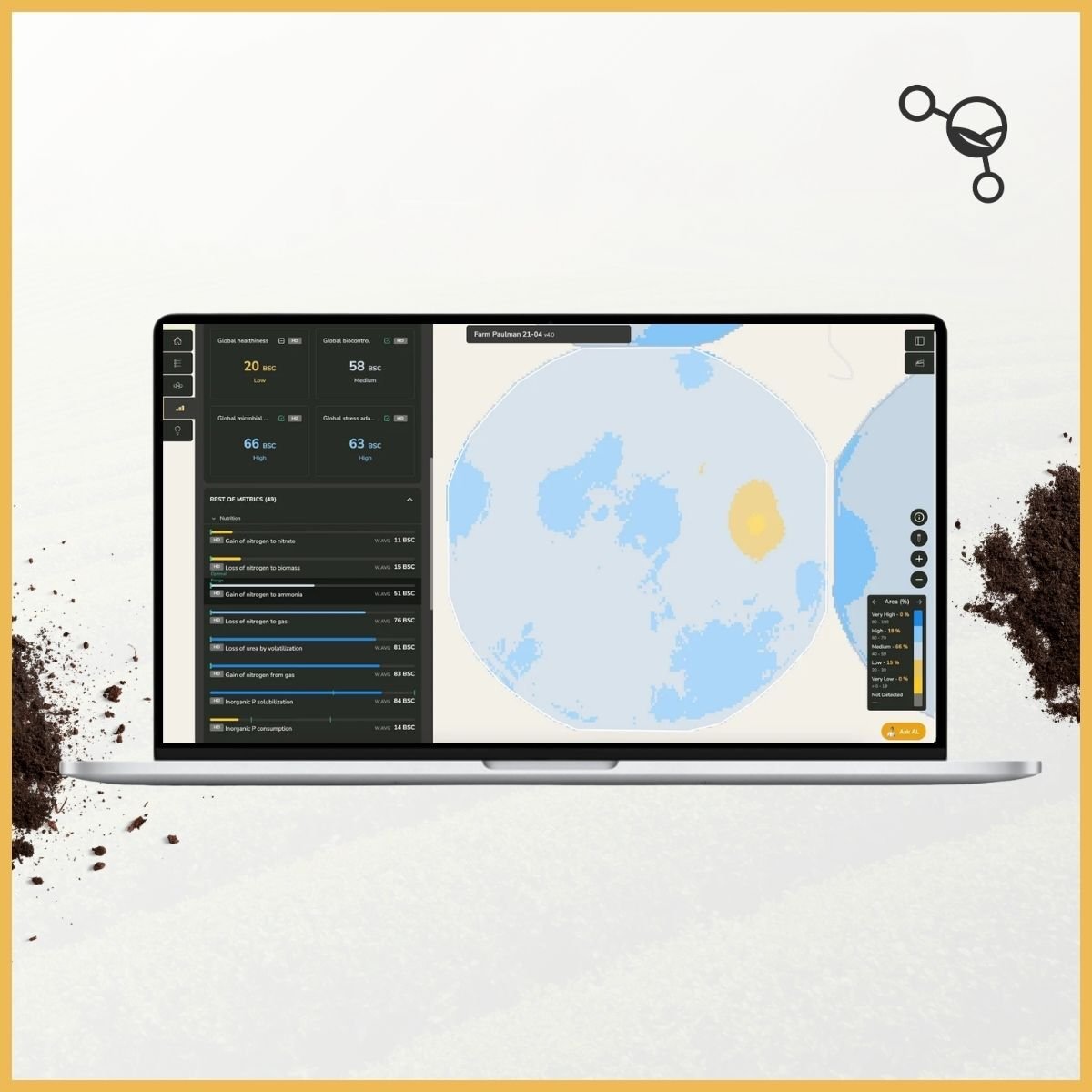
Solutions like BeCrop Farm from Biome Makers illustrate how soil intelligence can be applied in practice, helping retailers turn biological insight into actionable agronomic decisions.
Learn More
Explore how soil intelligence can support retail agronomy programs and help deliver clearer, more consistent insights at scale.
